

Nvidia and AMD have gone head-to-head again with DLSS 4.5 and FSR Redstone, respectively, and so far, I’ve tested the latter, specifically analyzing its frame generation update, and I can simply say that I’m impressed.
FSR 4 upscaling has already made huge advancements compared to FSR 3.1. I covered this a long while ago and highlighted that its super-resolution image quality was great, even surpassing Nvidia’s DLSS 3 (which was more relevant at that time), but still trailed behind DLSS 4.
Now, FSR Redstone is another attempt to improve upon FSR 4’s image stability, especially when using ML Frame Generation, and I’m happy to report that Redstone has succeeded in that attempt, as I noticed that previous issues like ghosting and artifacts are less noticeable in motion.
Having very briefly tested Nvidia’s DLSS 4.5, AMD still has a way to go in catching up to Team Green, not only in super-resolution image quality, but also with frame generation. However, FSR Redstone is a sign for me that AMD shouldn’t be written off completely, and it’s great to see that it isn’t giving up on improving its upscaling tech for gamers.
ML Frame Generation’s image quality is a huge improvement
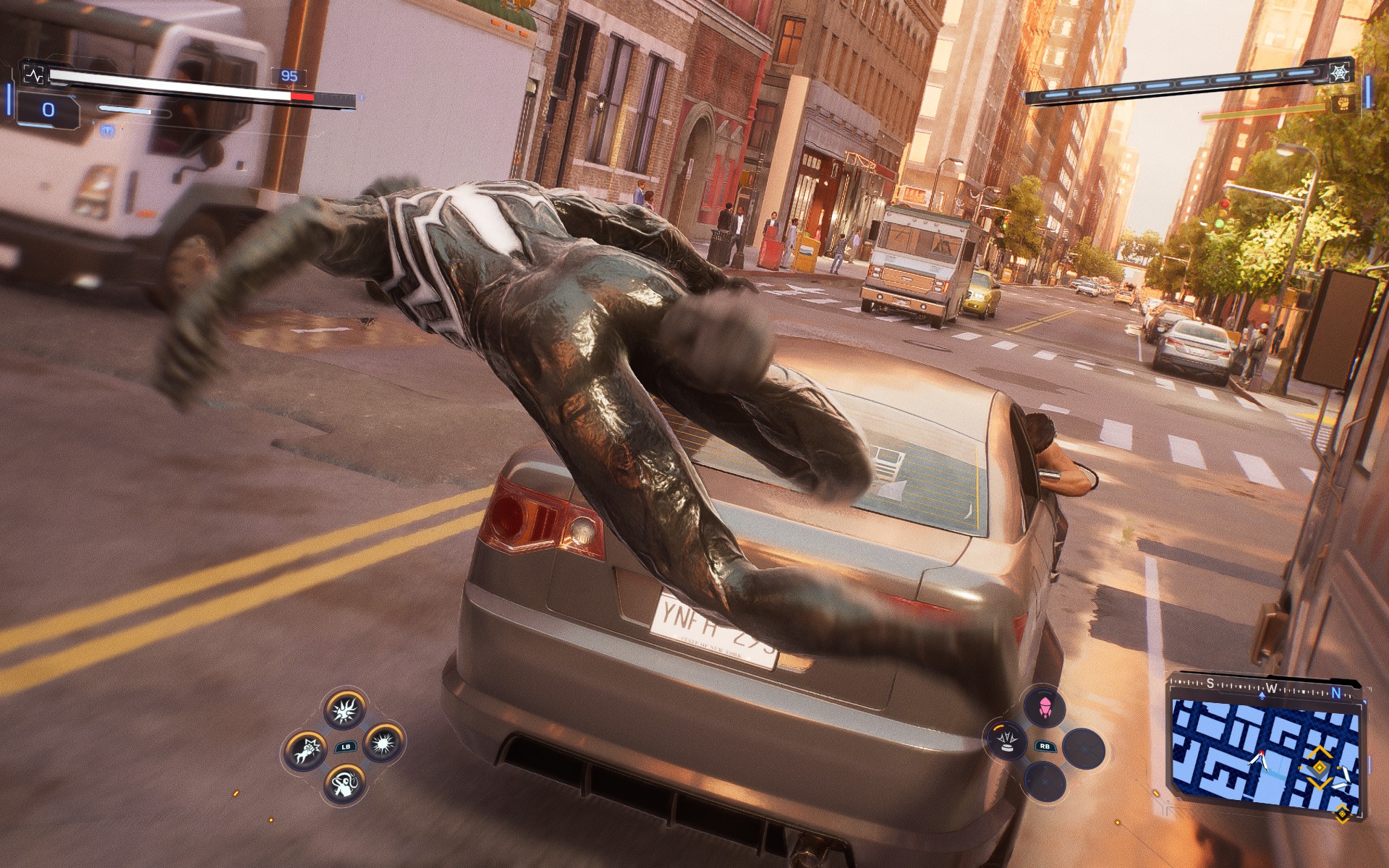
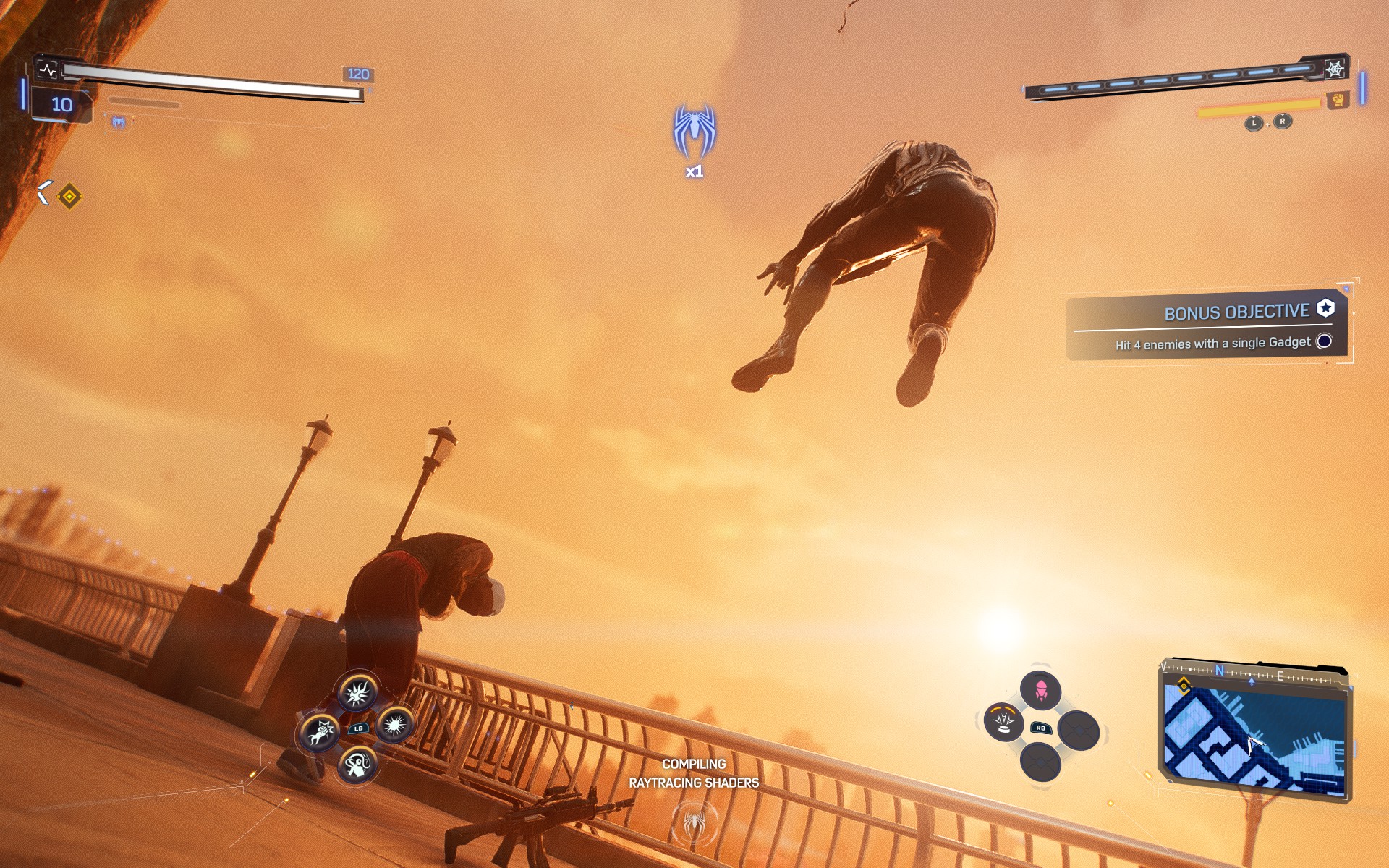
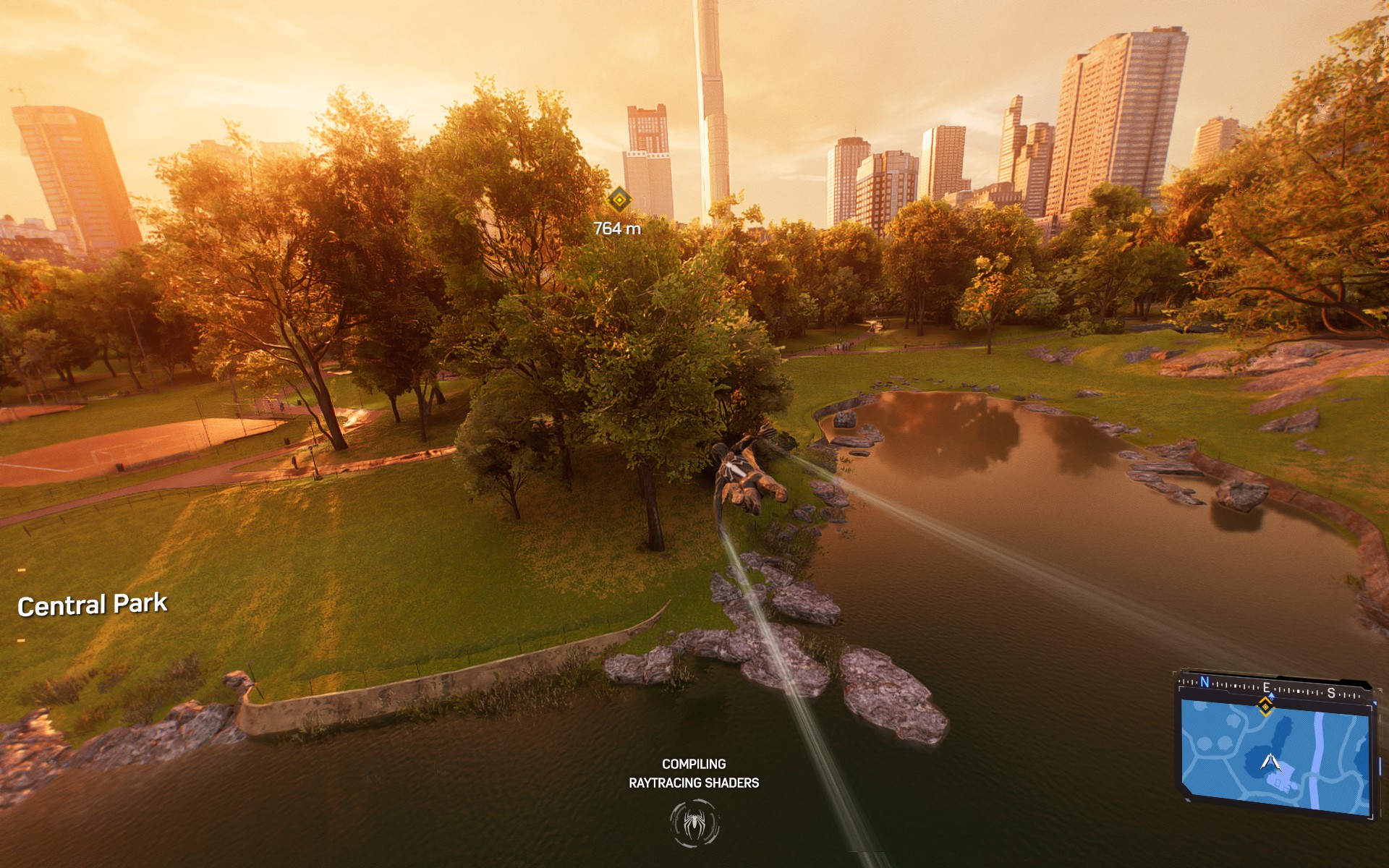
Thanks to help from AMD and Razer, I was able to get my hands on an ASRock Challenger Radeon RX 9060 XT and the Razer Core X V2 for testing – and on this occasion, I used my Lenovo Legion Go S Z1 Extreme running the eGPU on Windows 11.
Now, I’m fully aware that this isn’t the best benchmark to run, as there’s a clear bottleneck with a RX 9060 XT and Z1 Extreme setup. However, image quality was my main concern, and I wanted to see how good FSR Redstone would be in a plug-and-play handheld gaming scenario.
With that in mind, I still got great results, because while running Marvel’s Spider-Man 2 using the new ML Frame Generation, I hardly noticed the issues of ghosting that FSR 3.1’s Frame Generation (Analytical) presented when using it with the RX 9060 XT.
With the previous model, characters and other fast-moving objects on screen would leave behind noticeable trails, and while this isn’t completely absent with Redstone, it’s not nearly as evident.
It might not be entirely noticeable in the screenshots above, but swinging across skyscrapers in Insomniac’s massive open world was enough for me to realize that AMD has done a great job at cleaning up the frustrating artifacts frame interpolation introduces, but unfortunately, it’s not all great news.
Frame pacing is still an issue and a dealbreaker
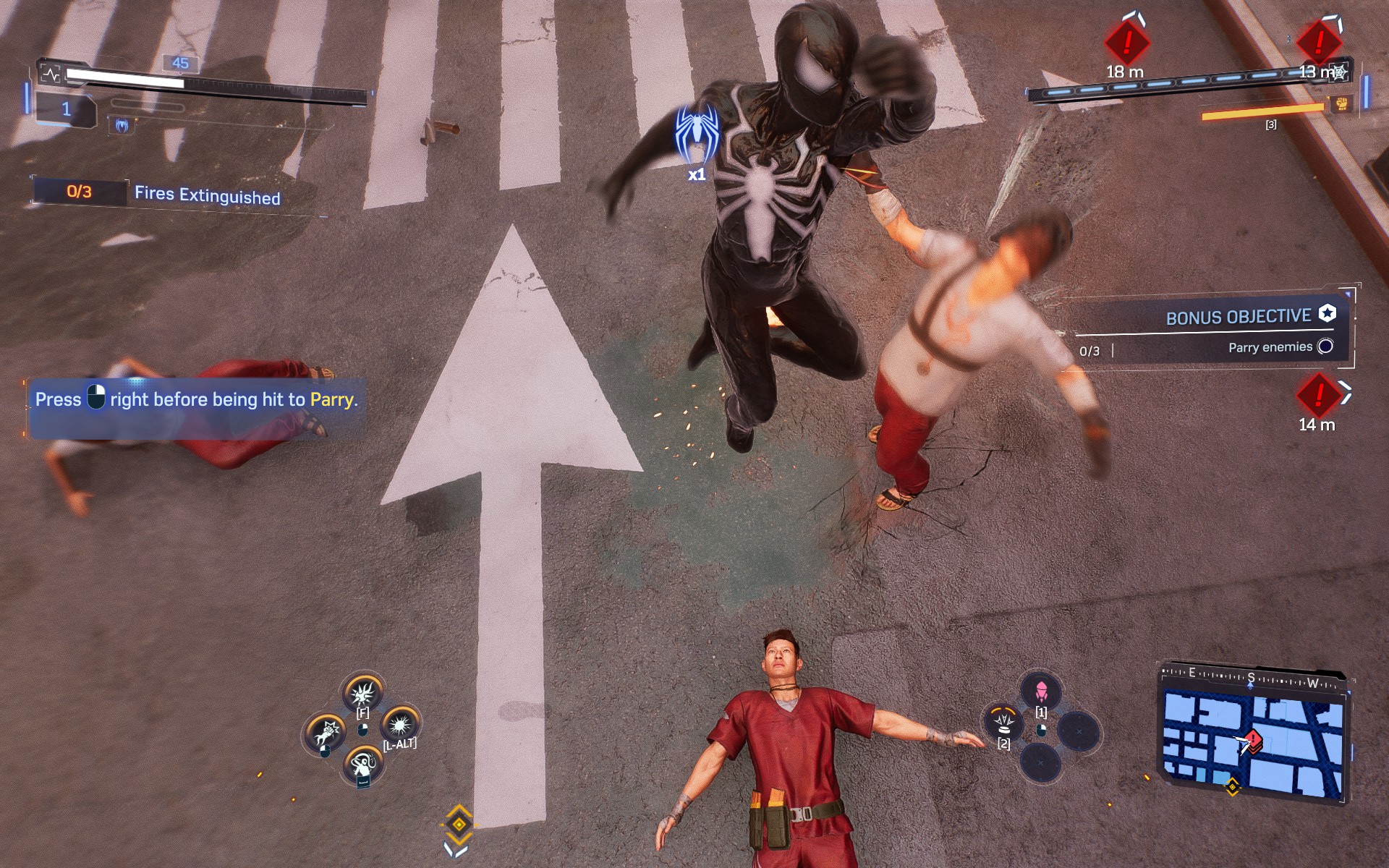
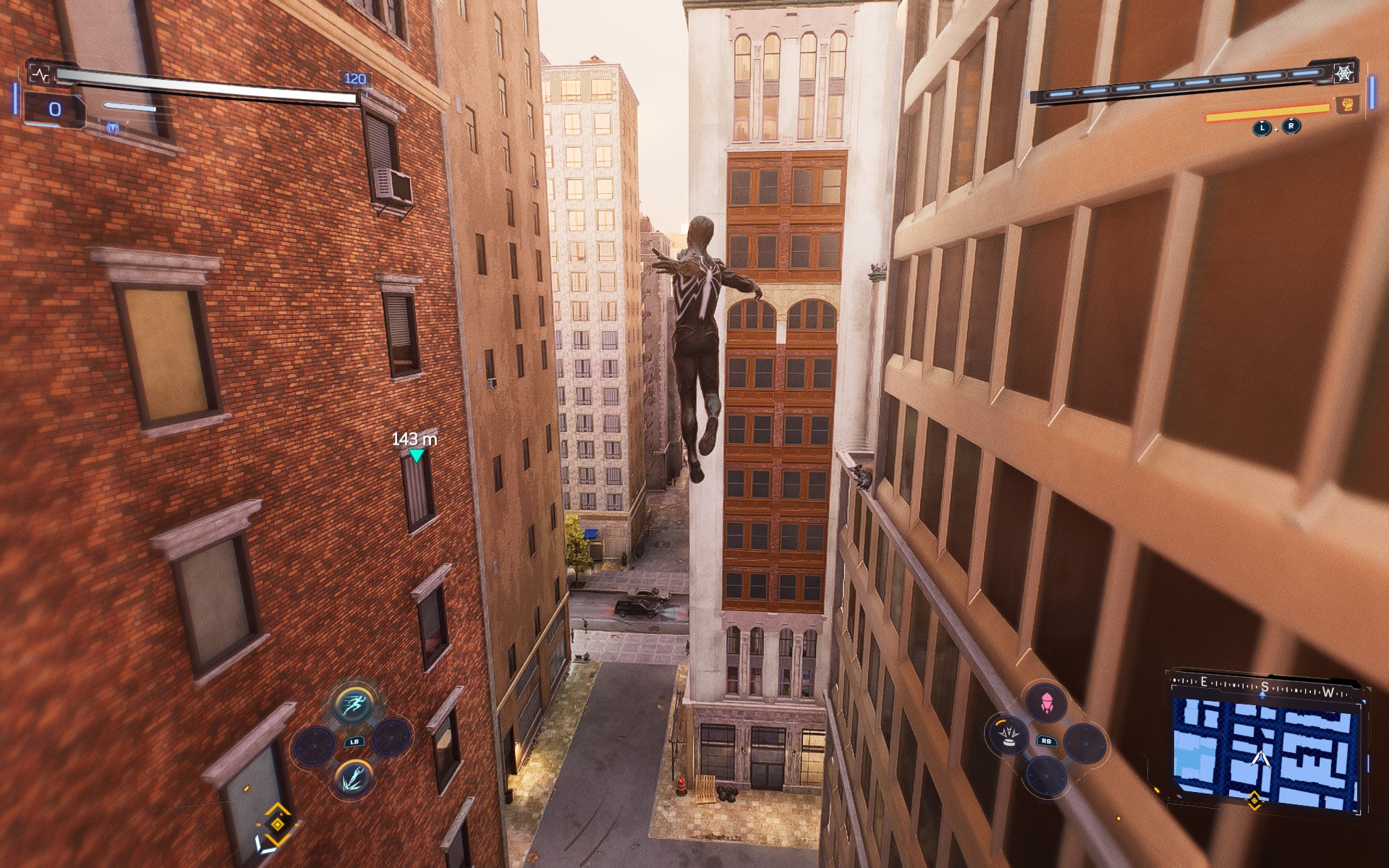
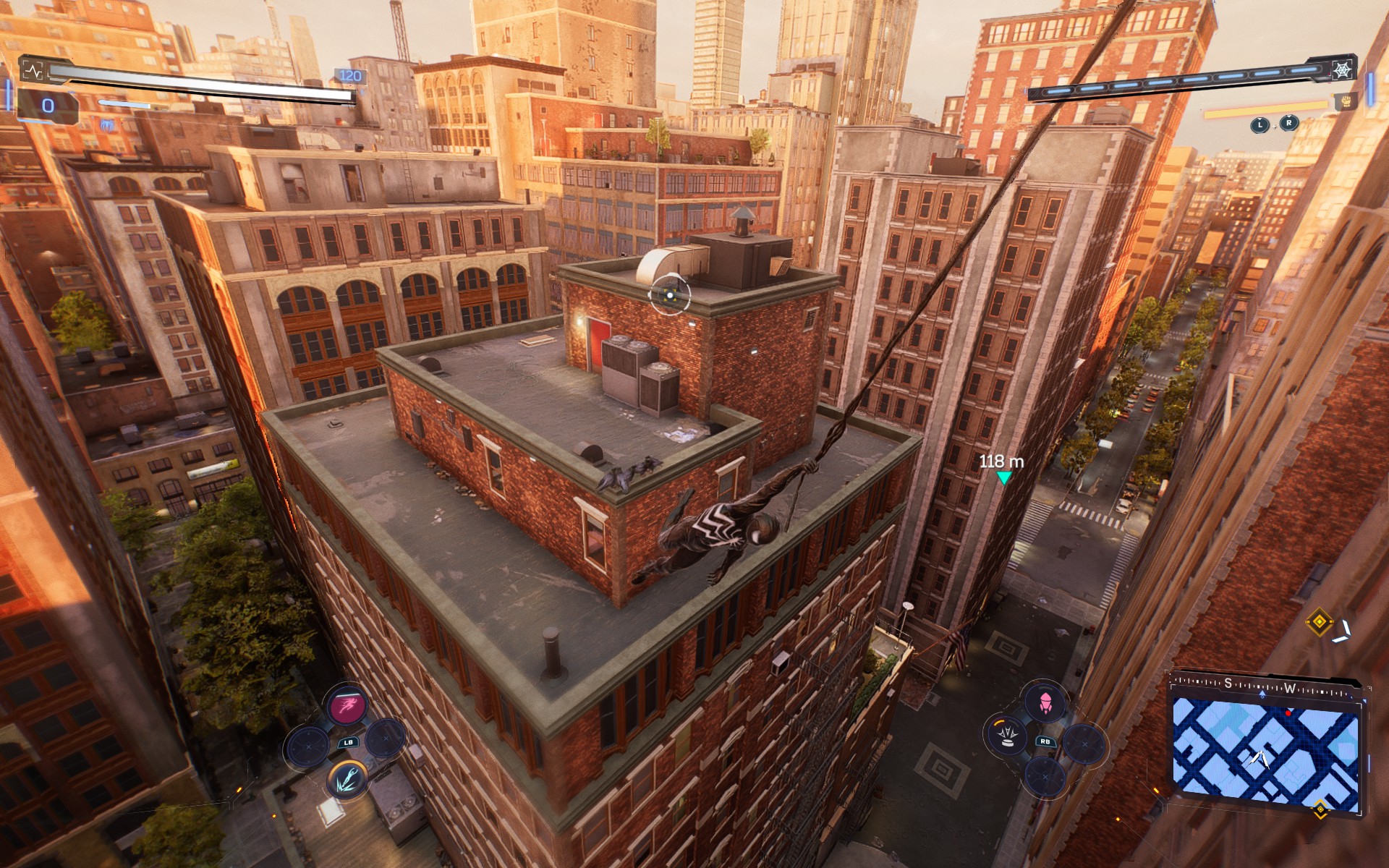
Now, don’t get me wrong, I’m very happy with what FSR Redstone presented me, and particularly with how it transforms handheld gaming performance (despite the very obvious bottleneck). I mean, this eGPU dock setup makes ray tracing possible on a portable device that isn’t a gaming laptop.
However, the major downside of FSR Redstone is, unfortunately, its frame pacing issues. It seems as though these problems have carried over from FSR 3.1 and remain the one problem FSR just can’t shrug off.
Yes, you can say that my CPU bottleneck in this test has a part to play in these frame pacing issues, but I’ve tested this at higher resolutions where the CPU bottleneck is less of an issue, and also seen the same complaints from several users and reviewers, so I know I’m not alone in what I witnessed when testing.
If you look closely enough, you will likely notice a spiky frame time graph when using FSR Redstone ML Frame Generation, which results in gameplay that doesn’t feel as smooth as it should, even with a high frame rate. Screen tearing and noticeable input lag are telltale signs for me, and Digital Foundry, Hardware Unboxed, and many more have highlighted the same problem.
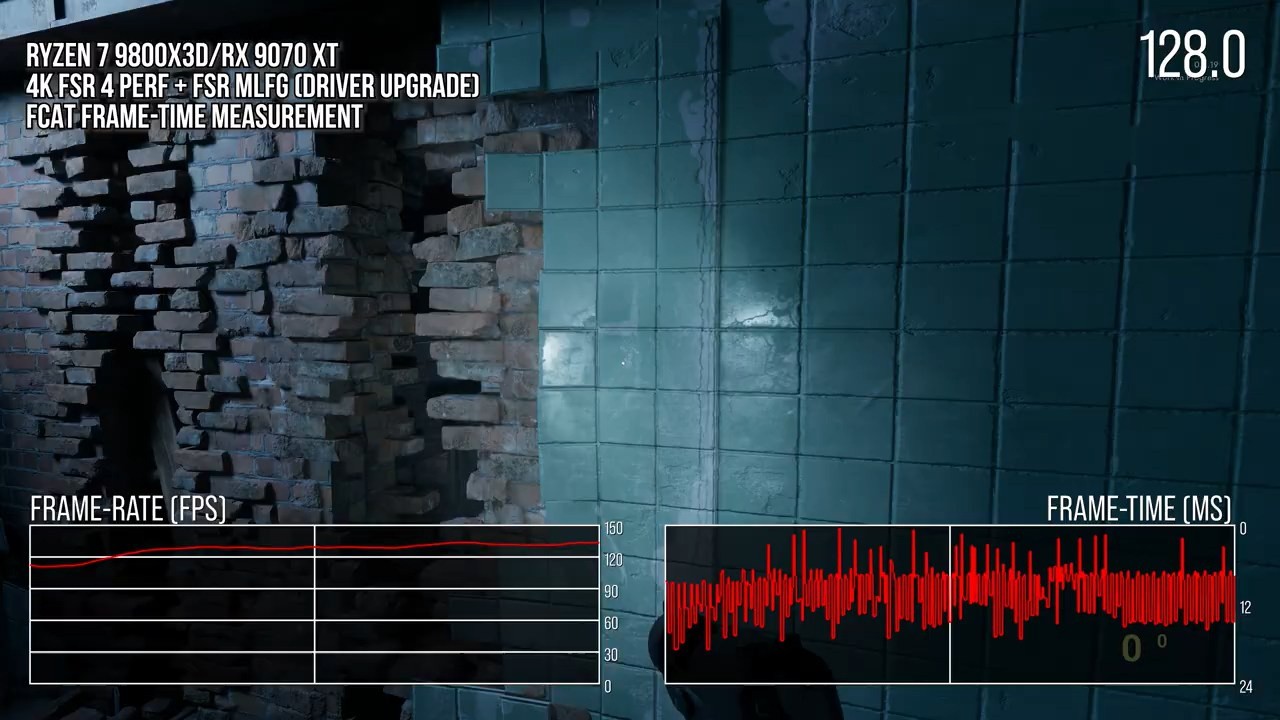
While these frame pacing problems can be mitigated via enabling v-sync on a driver-level or in games that frame gen and v-sync work simultaneously, this will significantly increase input lag. The same can be done by limiting frame rates, but this defeats some of frame gen’s purpose, which is to massively boost frame rates.
What makes matters worse is that Nvidia recently launched DLSS 4.5, which is already being praised for the improvements in image quality, thanks to its 2nd gen transformer model, and its super-resolution is available to all RTX GPU users (even if it supposedly has worse performance on older cards).
AMD’s FSR 4 and FSR Redstone are exclusive to RDNA 4, so consumers with older Radeon GPUs won’t even be concerned with upscaling until it’s officially backported to RDNA 3. Team Red deserves credit where credit is due for the improvements made with Redstone, but it still has work to do if it wants to catch its rival.
